In today’s fast-paced digital world, juggling multiple tasks on your computer isn’t just a skill—it’s a necessity. With remote work and virtual collaboration becoming the norm, efficient screen management can dramatically boost your productivity.
If you’ve ever found yourself overwhelmed by countless open windows, you’re not alone. That’s where screen splitting utilities come into play, transforming your workflow by organizing your workspace effortlessly.
Let’s dive into the top tools that can help you multitask like a pro and reclaim your focus. Stick around—you’ll want to see which ones truly stand out in 2024’s tech landscape.
Mastering Window Organization with Intuitive Screen Splitters
Boosting Workflow with Dynamic Layouts
When I first started using screen splitting utilities, the chaotic jumble of windows on my desktop was a major productivity killer. After switching to tools that offer dynamic layouts, I noticed a huge difference.
These utilities let you snap windows into customizable grids or predefined zones, making it effortless to keep your browser, editor, and communication apps visible all at once.
The ability to quickly rearrange or resize windows on the fly is a game-changer, especially when juggling multiple projects or attending virtual meetings alongside note-taking.
For anyone who’s felt overwhelmed by clutter, dynamic layouts help regain control and flow in your digital workspace.
Seamless Integration with Operating Systems
A vital factor in choosing a screen splitter is how well it integrates with your OS. Some tools come with native support for Windows or macOS shortcuts, which means you can snap and manage windows without breaking your typing rhythm.
I’ve personally found that utilities supporting keyboard shortcuts not only speed up window management but also reduce the mental load of constantly switching between mouse and keyboard.
This seamless integration is especially useful when you’re deep in concentration, letting you focus on the task rather than fiddling with window positions.
Customizable Zones for Personalized Productivity
One of my favorite features in modern screen splitters is the ability to create personalized zones. Instead of being stuck with rigid halves or thirds, you can draw your own areas tailored to your work style.
For example, I like to dedicate a tall vertical zone for my coding editor, a wide horizontal strip for documentation or chat, and a smaller corner for media controls or quick references.
This flexibility turns a generic tool into a personal assistant that adapts to how you work, making multitasking smoother and less stressful.
Choosing the Right Tool: Features That Matter Most
Cross-Platform Compatibility
In today’s mixed-device environments, having a screen splitter that works across Windows, macOS, and sometimes Linux is a huge plus. I’ve experienced frustration when switching between machines with different utilities, so finding a tool with consistent features on all platforms saves time and headaches.
Cross-platform support ensures that your workflow stays intact no matter what device you’re using, which is essential for remote work or when traveling.
Resource Efficiency and Performance
Not all screen splitting tools are created equal when it comes to system resource usage. Some lightweight apps run smoothly even on older machines, while others can bog down your CPU or RAM, causing lag and interrupting your flow.
From my experience, it’s worth testing a few options to see which one balances features with performance. A tool that feels sluggish or causes crashes quickly becomes more of a hassle than a help, so keep an eye on how your system handles the software during peak workload.
Advanced Automation and Scripting
For power users, automation features can take screen splitting to the next level. Some utilities support scripting or macros to arrange windows automatically based on the apps you open or the time of day.
I’ve set up profiles that switch layouts when I start video editing versus when I’m writing or coding, which saves me from manually resizing dozens of windows.
These automation options are fantastic if you want to streamline your daily routines and eliminate repetitive setup tasks.
Popular Screen Splitters and What Sets Them Apart
Built-In OS Solutions vs. Third-Party Apps
Most modern operating systems come with basic window snapping features, but third-party apps typically offer far more customization. Windows Snap Assist, for example, is great for quick splits but lacks complex layouts.
On the other hand, third-party tools like FancyZones or Magnet provide extensive grid options and multi-monitor support. From personal use, I recommend trying the built-in features first, then moving to a dedicated app if you need more control.
Usability and User Interface Design
A clean, intuitive UI can make or break your experience with screen splitting utilities. Tools with cluttered settings menus or confusing options often discourage regular use.
The best software strikes a balance between offering powerful customization and staying user-friendly. When I tested several apps, those with drag-and-drop zone editors and simple toggle switches kept me engaged, whereas overly complex interfaces felt like a chore.
Community Support and Updates
Regular updates and an active user community are good signs of a healthy screen splitting tool. Developers who listen to feedback and roll out improvements keep the software relevant and bug-free.
I’ve noticed that utilities backed by vibrant communities often have useful plugins, tutorials, and troubleshooting tips that enhance the overall experience.
When choosing a tool, checking forums or review sites can give you insight into ongoing support and future development.
How to Customize Your Screen Splitter for Maximum Efficiency
Defining Your Work Zones
Start by analyzing your most common tasks. Do you need a large area for spreadsheets, or multiple smaller windows for chat, emails, and browsers? Mapping out your workflow helps you design zones that minimize window switching.
I typically sketch my ideal layout on paper before configuring it digitally, which makes the process smoother and avoids trial-and-error frustration.
Assigning Shortcuts for Quick Access
Setting up keyboard shortcuts to switch between layouts or snap windows instantly can shave off precious seconds every time you multitask. Experiment with combinations that feel natural and don’t conflict with other apps.
Personally, I use a mix of Ctrl + Alt + arrow keys, but some prefer function keys or custom macros depending on their keyboard setup.
Testing and Tweaking Layouts Over Time
Your ideal screen setup might evolve as your projects or tools change, so don’t hesitate to revisit your configurations regularly. I found that what worked well during a heavy coding sprint wasn’t as efficient during a design-heavy week.
Keeping layouts flexible and revising them every few months ensures your screen splitter continues to serve your needs optimally.
Comparing Top Screen Splitting Tools in 2024
| Tool Name | Platform | Key Features | Best For | Price |
|---|---|---|---|---|
| Microsoft PowerToys FancyZones | Windows | Customizable grid layouts, keyboard shortcuts, multi-monitor support | Power users, developers | Free |
| Magnet | macOS | Simple drag-to-snap, keyboard shortcuts, multi-display support | Mac users needing quick window management | $7.99 one-time |
| DisplayFusion | Windows | Advanced multi-monitor management, scripting, customizable profiles | Multi-monitor setups, automation enthusiasts | Free version / Pro $29 |
| Divvy | Windows, macOS | Grid-based window management, keyboard-driven control | Users wanting precision window control | $14.99 |
| BetterSnapTool | macOS | Highly customizable snap areas, keyboard shortcuts | Mac users who want more than basic snap features | $3.99 |
Tips to Overcome Common Screen Splitting Challenges
Handling Overlapping Windows
Sometimes, despite your best efforts, windows end up overlapping or resizing unexpectedly. This usually happens when apps don’t respond well to snapping commands or when you have multiple monitors with different resolutions.
To fix this, I recommend periodically resetting your layout and avoiding overly complex zone designs. Additionally, closing unnecessary apps can prevent accidental overlaps.
Adjusting for Different Screen Sizes
If you switch between laptops, desktops, or external monitors, your layouts might not translate perfectly. I learned to create multiple profiles tailored to each screen setup, switching between them as needed.
Some tools even detect the screen configuration automatically and apply the appropriate layout, which is a handy feature for those who move around a lot.
Managing Distractions with Focused Zones
Screen splitting can sometimes backfire by displaying too many apps at once, tempting you to multitask excessively. To combat this, I set specific zones for “focus apps” like my writing software or code editor, while relegating social media or email to smaller, less distracting zones.
This intentional design helps maintain concentration and prevents task-switching fatigue.
Leveraging Screen Splitters for Remote Collaboration
Sharing Screen Layouts with Teams
Some advanced utilities allow you to export and share your screen layouts with colleagues. When working on collaborative projects, having a common window arrangement can streamline communication and reduce confusion.
I’ve used this feature during team coding sessions, where everyone’s screen mirrored a consistent setup, making it easier to follow along.
Optimizing Virtual Meeting Spaces
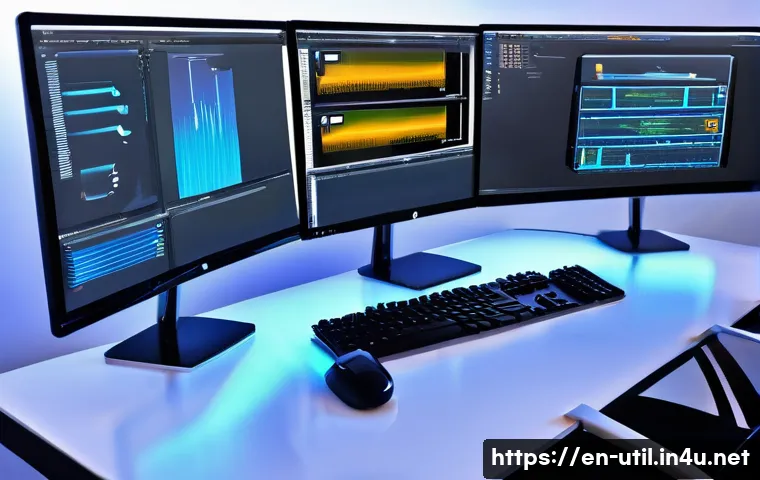
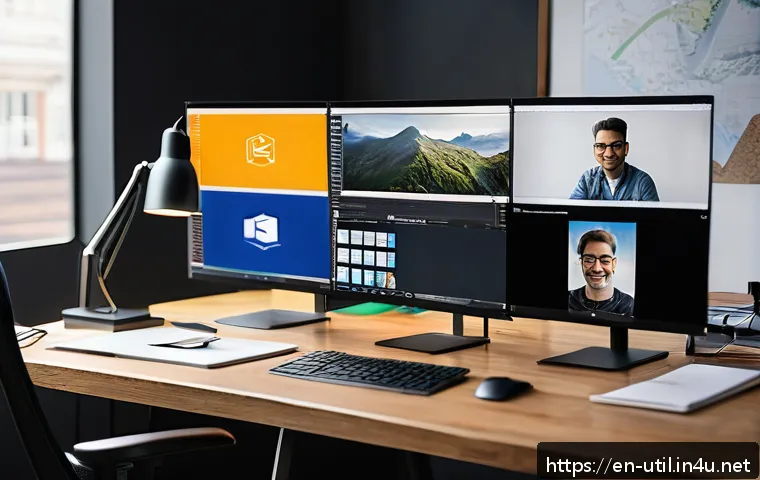
During video calls, I like to dedicate a sizeable zone to the meeting window while keeping notes and relevant documents visible in adjacent zones. This setup helps me stay engaged and reference materials without toggling between tabs.
Tools that allow resizing on the fly make it easy to adjust the layout as meetings evolve.
Integrating with Productivity Apps
Many screen splitters work well alongside popular productivity suites like Microsoft 365, Google Workspace, or Slack. By positioning communication channels next to your main work apps, you can respond promptly without losing your train of thought.
Over time, this integration has helped me maintain a smooth workflow, especially during intensive remote workdays.
Wrapping Up
Mastering screen splitters can dramatically improve your digital workspace, making multitasking and focus much easier. By customizing layouts and integrating with your workflow, you gain control over window management that boosts both productivity and comfort. Whether you’re a casual user or a power professional, the right tool can transform how you work every day.
Helpful Tips to Keep in Mind
1. Regularly update your screen splitter software to benefit from new features and bug fixes.
2. Experiment with different zone layouts to find what truly fits your daily tasks.
3. Use keyboard shortcuts to speed up window management and reduce reliance on the mouse.
4. Create multiple profiles if you switch between different monitors or devices often.
5. Don’t overcrowd your screen—prioritize focus zones to minimize distractions during critical work.
Key Takeaways for Effective Window Management
Choosing a screen splitter that aligns well with your operating system and hardware is essential for smooth performance. Prioritize tools that offer customization without overwhelming complexity, and leverage automation features if you want to save time. Finally, maintain flexibility by adjusting your layouts as your workflow evolves, ensuring your screen setup always supports your productivity goals.
Frequently Asked Questions (FAQ) 📖
Q: uestionsQ1: What are the key benefits of using screen splitting utilities for productivity?
A: Screen splitting tools can be a game changer for anyone managing multiple tasks. From my experience, they help reduce the time spent toggling between windows, which means fewer distractions and better focus.
Instead of hunting for a specific document or app, everything you need is visible and accessible at once. This setup is especially useful during virtual meetings or when comparing data across different sources.
Overall, these utilities streamline your workflow and give you a sense of control over your digital workspace.
Q: Are screen splitting tools compatible with all operating systems?
A: Compatibility varies depending on the software, but many popular screen splitting utilities support Windows and macOS, which cover the majority of users.
Some also offer versions for Linux or even mobile devices, but features can differ. For instance, Windows 11 has built-in snapping features that work well, while macOS users often rely on third-party apps to get more advanced layouts.
It’s always best to check the specific tool’s system requirements before downloading to ensure it fits your setup.
Q: Can screen splitting utilities improve focus and reduce digital fatigue?
A: Absolutely. I’ve noticed that having a well-organized screen layout reduces the mental clutter that comes from jumping between overlapping windows. When your workspace is neatly divided, it’s easier to prioritize tasks and avoid the frustration of losing track of what you were doing.
This clarity can lower stress levels and help maintain concentration over longer periods, ultimately decreasing digital fatigue. Plus, some tools offer customizable layouts that adapt to your work style, which makes the experience even smoother and more enjoyable.